The March Constitution of 1921. Compromise and modernity

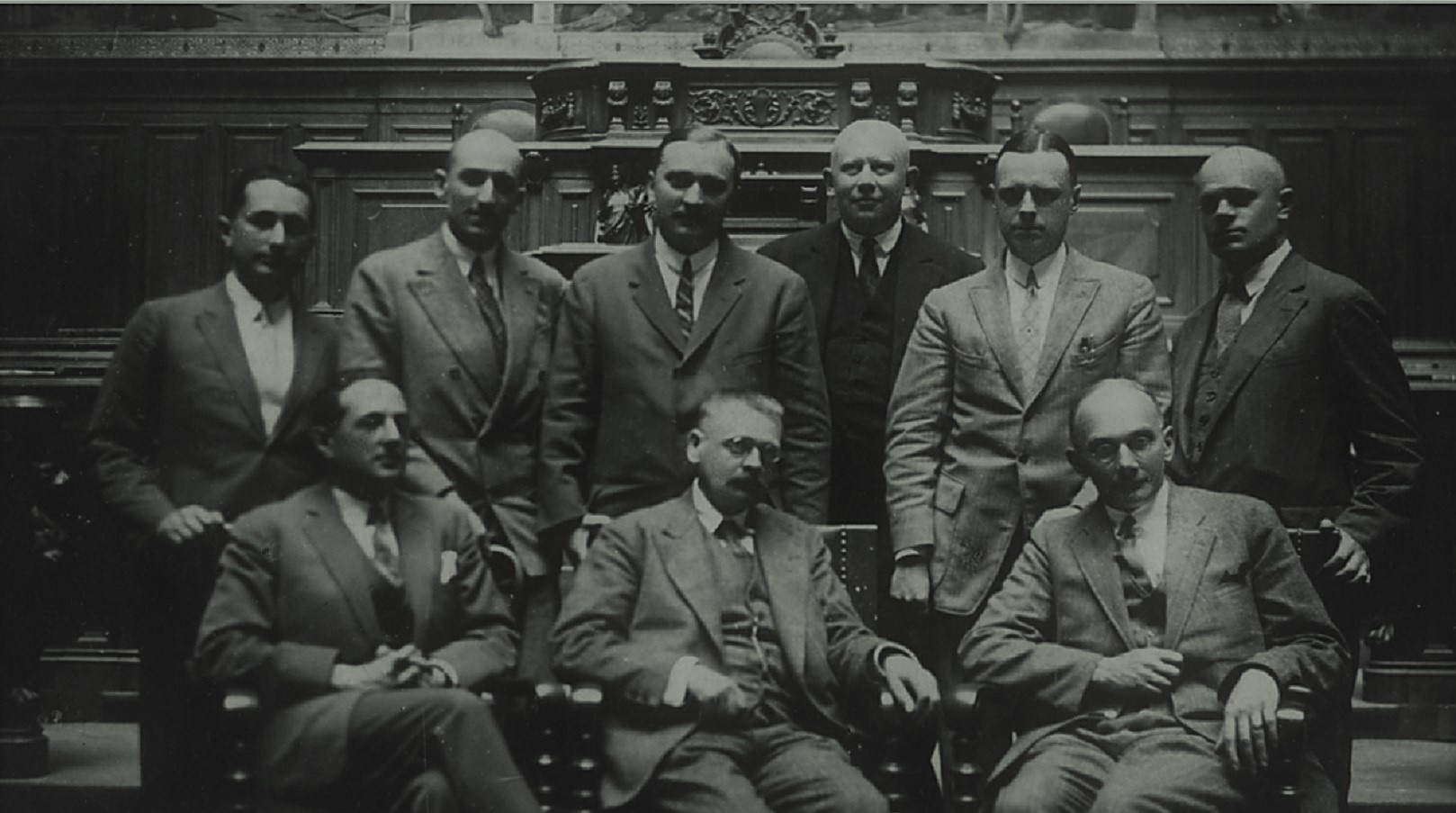
Poland reborn after the First World War faced a host of challenges. In particular, the issue of the nature of the constitution provoked a heated debate in the country. The overriding aim of the Act was not only to consolidate the state after the years of partition, but also to create a solid foundation for…


Bronisław Geremek: from history to politics

Bronisław Geremek was a man of many passions: history and politics were the most important among them. His political achievements are much more noticeable because of their social impact and significance for the Polish state. Geremek embodied the successes of the foreign policy of post-1989 Poland: the country’s accession to NATO and the European Union….


John III Sobieski and Marysieńka

King John III Sobieski is remembered as the commander of the victorious armies on the battlefield at Vienna. Yet this brave and talented commander was also a man of deep feelings, as evidenced by his love letters to his wife, Marie-Casimire de la Grange d’Arquien (Marysieńka). by Piotr Abryszeński   Marie-Casimire came from the old…


Gdynia: Poland’s window to the sea

When the First World War ended, the independent Polish state was born. However, although the state was formally established, its borders were still far from being determined. This was not an easy process, as there were various political, ethnic, historical and economic arguments that needed to be taken into consideration. At certain points, some of…


Witold Lutosławski: likely the most outstanding Polish composer after Chopin and Szymanowski

There are actually few composers active in the 20th century who can be referred to as ‘contemporary classics’. Witold Lutosławski certainly belongs to this narrow group. An artist who, confronting the key issues of the 20th-century art of composition, created pieces that impress with their balance of intellect and emotion, and are simultaneously extremely open…


1 3 4 5 6 7 18