Marian Małowist and Witold Kula: Polish leading figures of world historiography

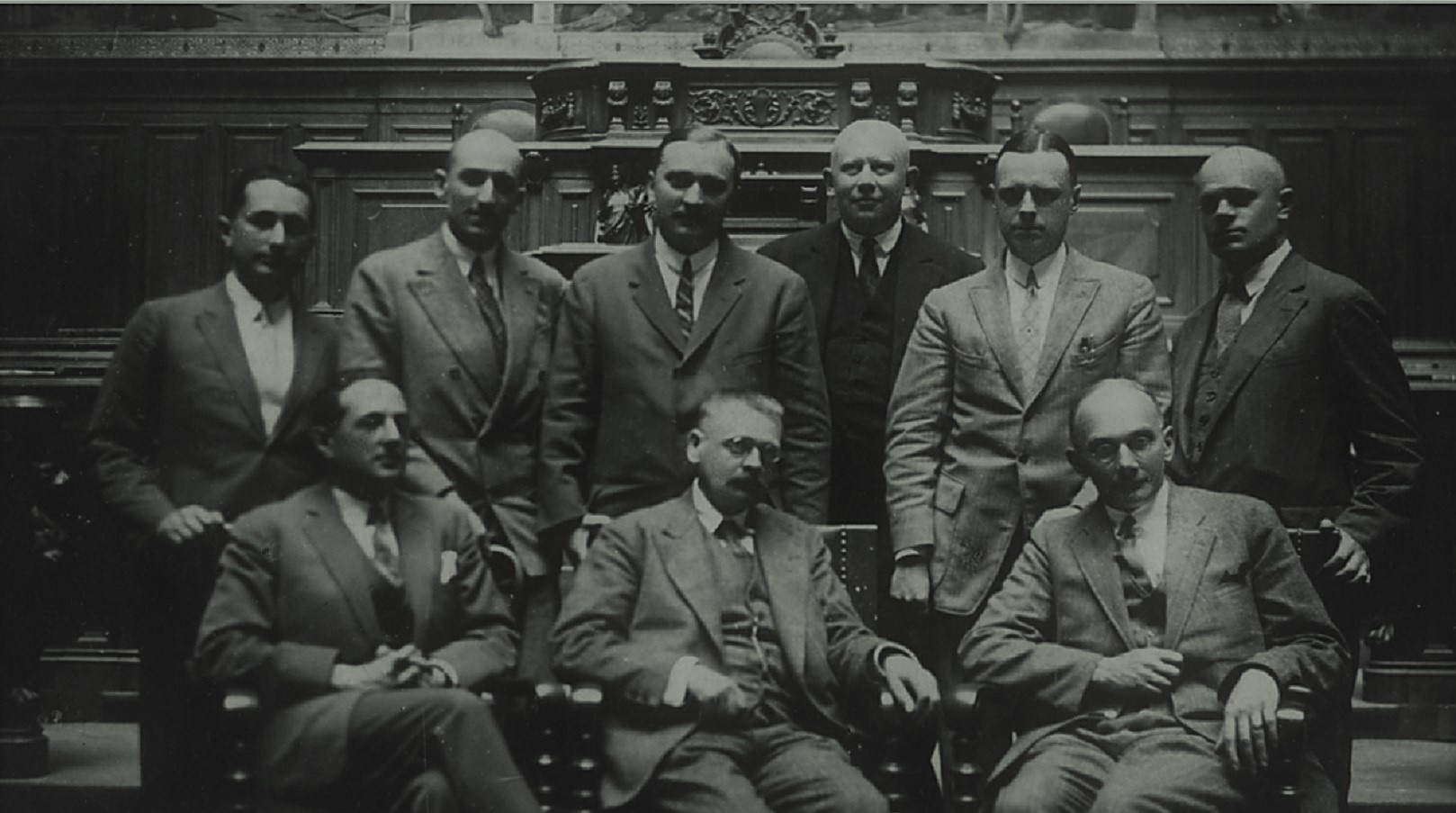
Historians were highly interested in economic history in the mid-20th century. At that time, a number of fundamental studies were published, and discussions on economic matters were printed in the most prestigious historical periodicals. In fact, one historian of socio-economic history, Fernand Braudel, was nominated for the Nobel Prize in Economics. Two Polish academics, Marian…


Sigismund II Augustus: a Renaissance portrait of a melancholic man

It seems he basked in the full glory of the Polish “golden age” from the moment of his birth. The firstborn, long-awaited royal son, and heir to the largest state in Central and Eastern Europe, almost a million kilometers long and stretching (it strokes Poles’ ego, this phrase, and we will hear more of it)…


Władysław Szpilman: How did the pianist survive the war?

Władysław Szpilman is currently the most well-known of the Warsaw Robinsons. How did he survive in German-occupied Warsaw? by Michał Studniarek   In 1939, Władysław Szpilman resided in the center of Warsaw on Śliska Street with his parents, Samuel and Edwarda, his brother Henryk and his two sisters – Regina and Halina. Władysław was working…


The murder of Lwów professors

Among those murdered in Lwów by German troops in July 1941 were eminent mathematicians, pioneers of modern medicine, engineers, and university rectors. The murder of Polish scientists has become a symbol of fanaticism and hatred. by Piotr Abryszeński   The destruction of the Polish intelligentsia On 28 September 1939, the Third Reich and the Soviet…


Poznań 1956: a revolt that shook the system

The strike started by workers at Poznań’s largest factory, the Joseph Stalin Metal Works, spread to the entire city, and became an anti-communist revolt. For the Stalinist regime, this was an earthquake. by Paweł Sasanka   At 6 am on 28 June 1956, when the workers of the W-3 division came to work, none of…


Palmiry and the destruction of the Polish elite

It is worthwhile noting the above mentioned group – the Polish leadership elite – as its fate reveals the objectives of Nazi-Germany’s occupation policy in Poland. Before the outbreak of war, the German authorities began to plan the extermination of a broadly defined Polish leadership elite. Although generally referred to as the intelligentsia, with education…


1 2 3 18