Privilege of Koszyce (17 September 1374)

Casimir the Great, the last Polish ruler from the Piast dynasty, died on 5 November 1370. His death and the end of the dynasty opened the possibility of starting a dynamic process which, after 16 years, finally led to the election of Władysław Jagiełło to the Polish throne. Before that, however, Louis I of Hungary,…


Inaugural address of Premier Tadeusz Mazowiecki

The first free election in Poland’s post-war history was held on June 4, 1989 and brought victory to the Solidarity movement and defeat to the governing camp. In fact, the election was only partly free, as – in accordance with the Round Table agreements jointly reached earlier that year by the democratic opposition and the…


The Constitution of the 3rd of May (the Government Statute)

During the reign of the last king of Poland,  Stanisław August Poniatowski (Stanisław II Augustus), daring attempts at internal reform were carried out in order to avert disaster for the Rzeczpospolita (Commonwealth). A promising opportunity arose with the Sejm that deliberated between 1788 and 1792, as it was a “confederated Sejm”, meaning that unanimity was…


March Constitution

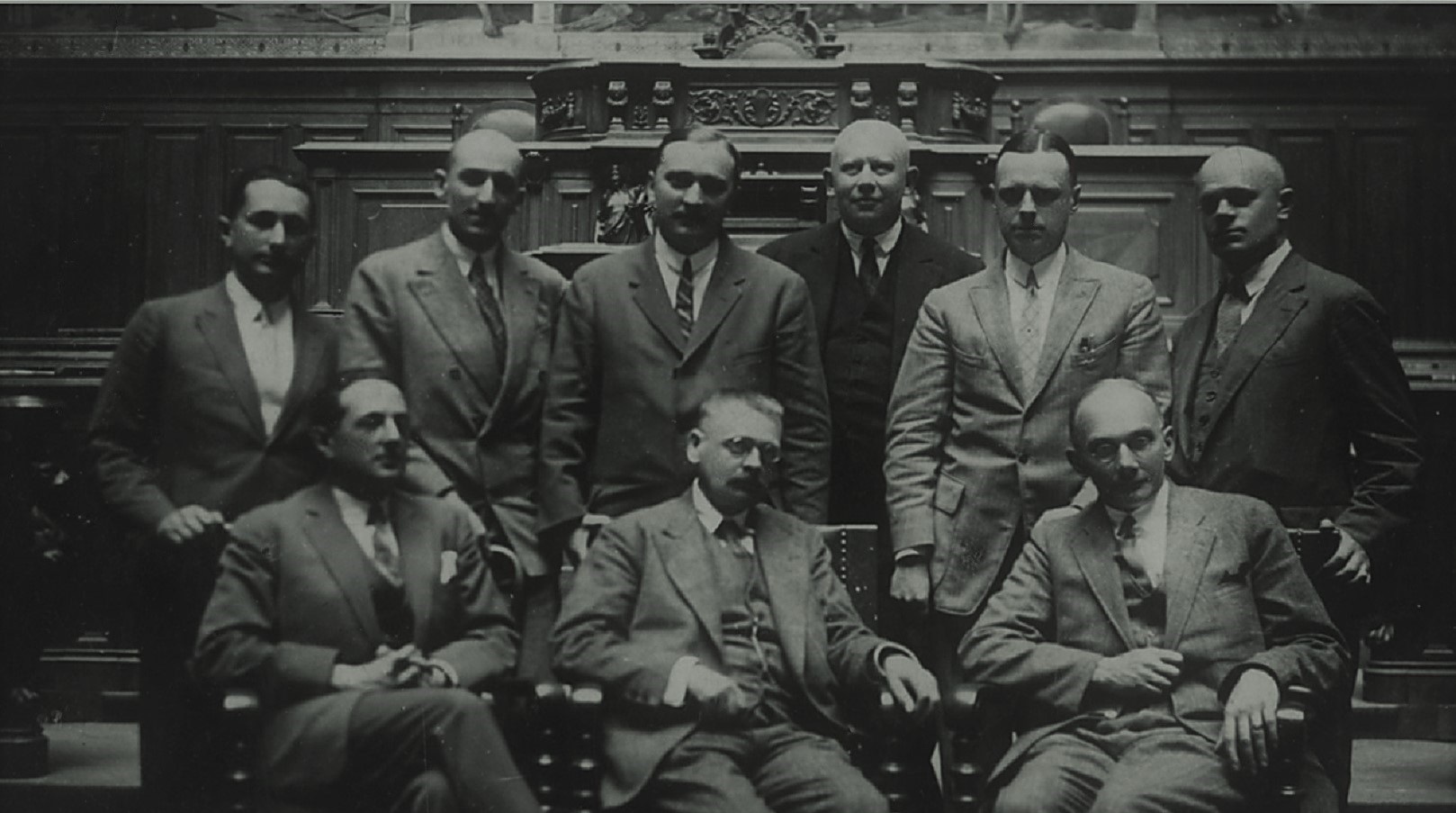
11 November 1918 is considered the symbolic date on which Poland regained its independence. However, the process of laying down the legal foundations of the reborn state continued for a number of years. One of the main things was to draw up a constitution. As early as February 1919, the single-chamber Legislative Sejm (parliament) elected…


Second Edition of Poland-Lithuania Cooperation and Dialogue Forum

Historian Alfredas Bumblauskas, poet and translator Kornelijus Platelis and the company Kauno tiltai are this year’s recipients of awards bestowed by the Poland-Lithuania Cooperation and Dialogue Forum. ‘It is important for us to strengthen Polish-Lithuanian relations,’ said Robert Kostro, director of the Polish History Museum, during the award ceremony. In his letter read out by…


1 … 37 38 39 40